econiclay: The Science Behind Flexible Stone.
Natural raw materials - including soil, quartz, fine ore, and mineral aggregates - are refined and combined with active agents to create a high-performance flexible stone sheet suitable for architectural interiors and exterior application. This material is called econiclay, and it is the unique technology developed by parent company, PHOMI Holdings, and is the basis for cardamia zero-carbon surface coverings.
Nature and design are the two most important words in the cardamia vocabulary. econiclay embodies ecological advantages and iconic design.
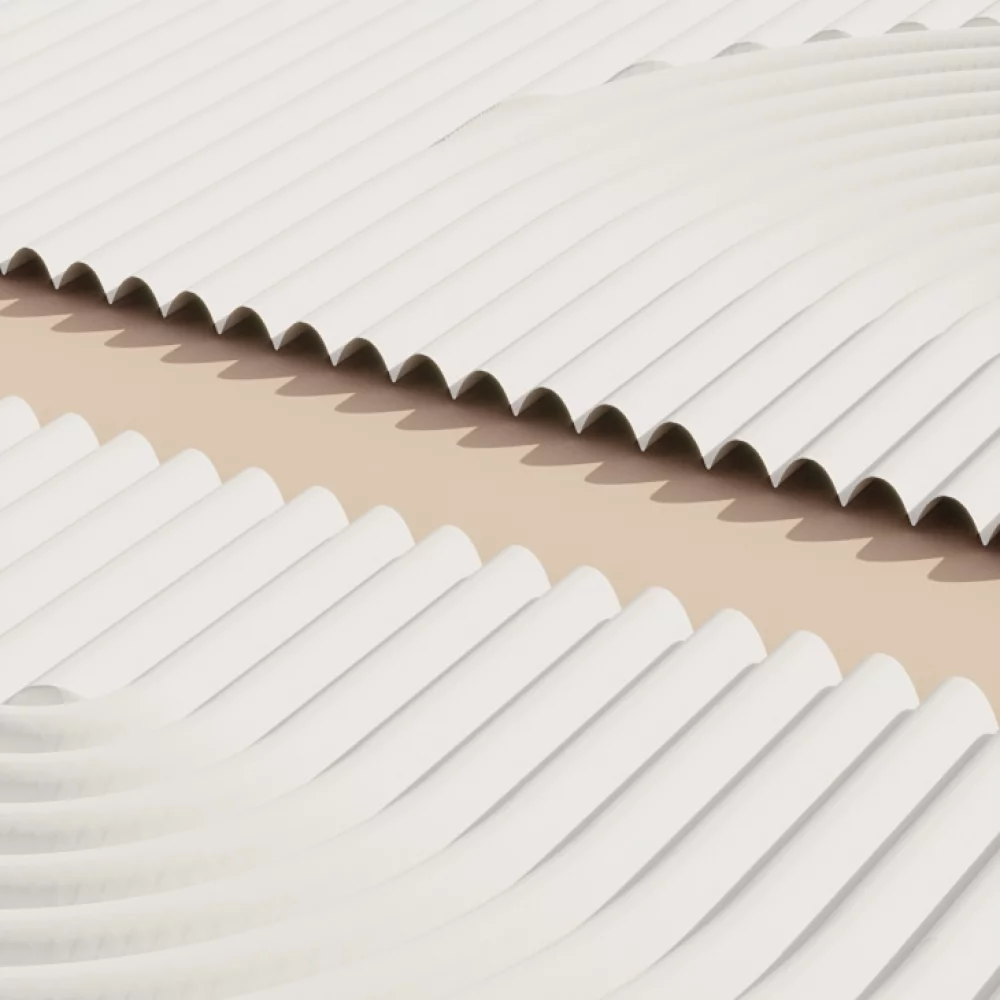
flexible stone sheets can be rolled to a minimum radius of 200 mm, enabling curved wall cladding.
available in various large-format panel sizes for seamless architectural surfaces.
approximately 3–6 kg per square metre, reducing structural load.
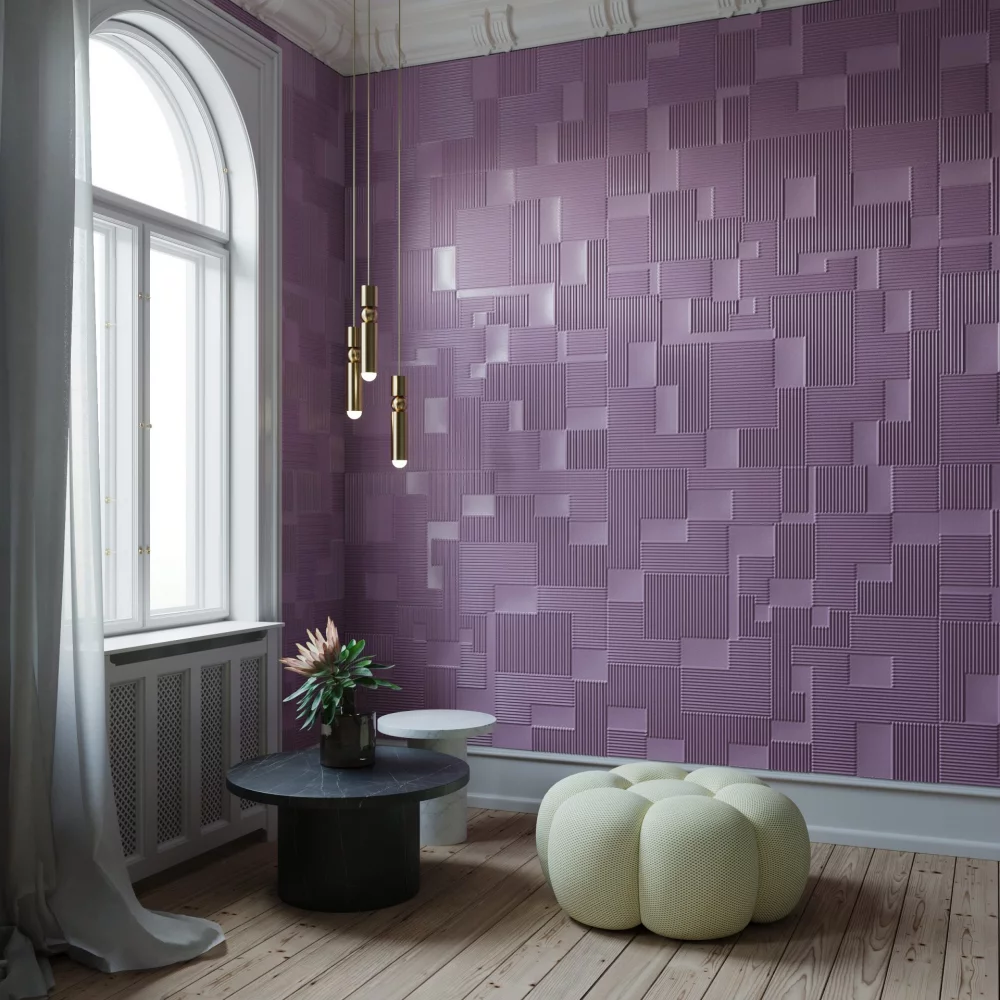
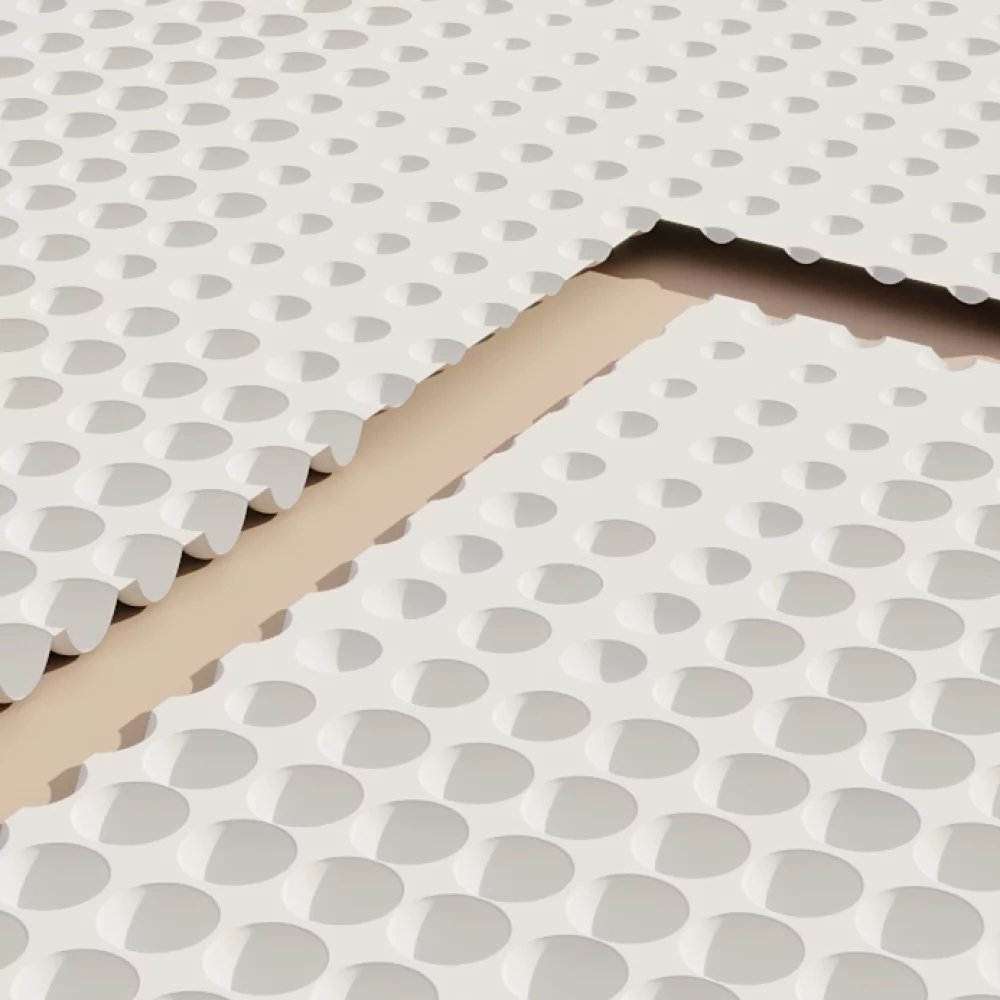
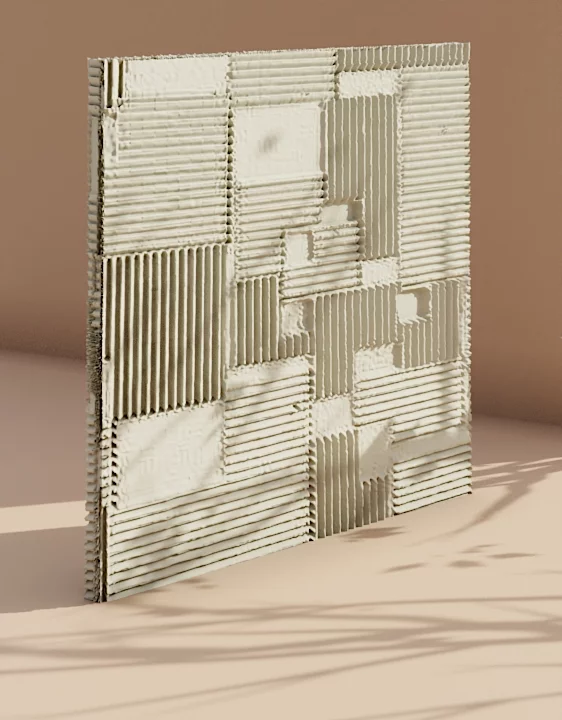
as thin as 2 mm while maintaining three-dimensional texture.
In additional to these four main properties, cardamia - econiclay offers greater benefits in both installation and maintainance::
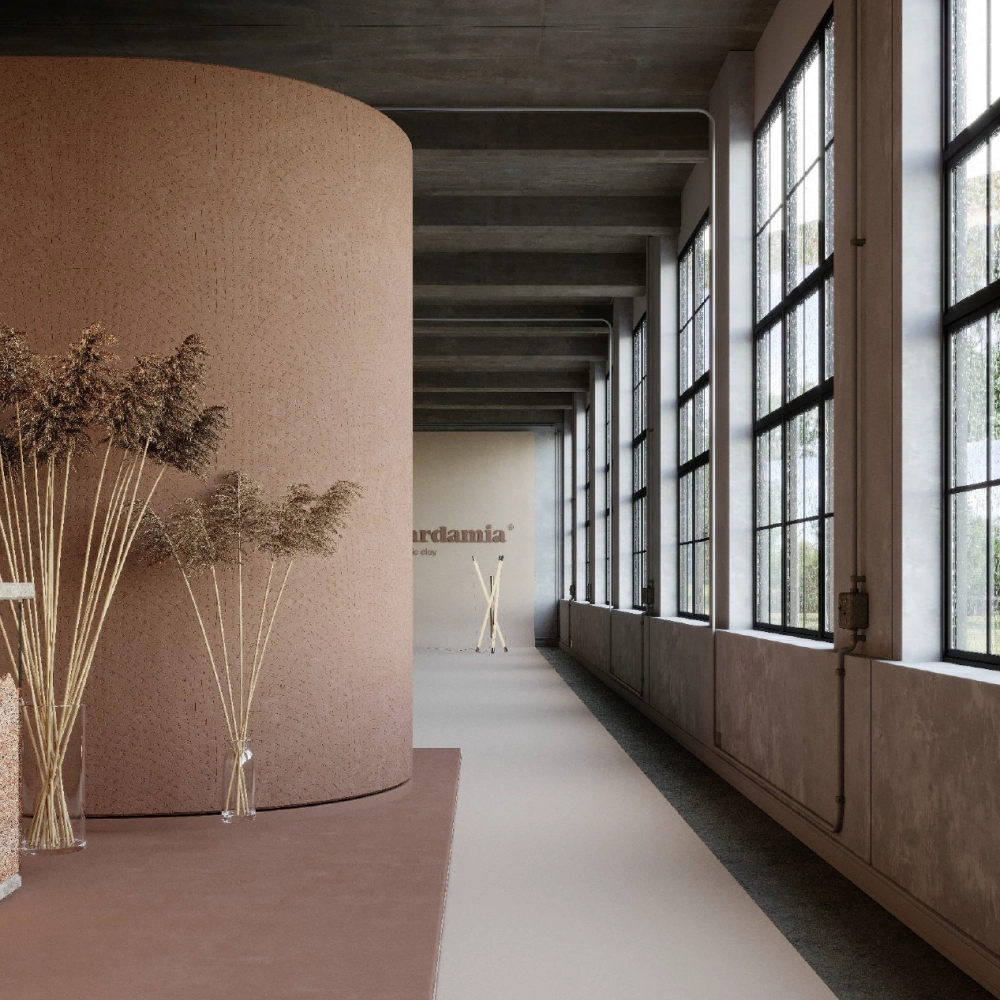
The material is versatile and highly functional. cardamia products can be installed almost anywhere.
suitable for hospitality and commercial interiors.
resistant to freeze-thaw cycles and long-term colour fading.
cardamia – flexible rock slab is completely made of natural (and recyclable) raw materials. Therefore, it is nontoxic and, due to its water-absorption quality, it creates a good indoor climate and is overall health-beneficial.
Expandable material qualities: through polymer integration, flexible stone cladding can achieve enhanced weather resistance and extended service life, supporting demanding hotel and luxury residential environments.
cardamia – flexible rock slab combines ecological and economic advantages with iconic design. It is a natural material that opens new perspectives for urban living through properties unique among interior design materials.
100% sustainable and 100% smart production: In modified clay technology, a mix of natural raw materials such as soil, sand, stone powder, and ash undergo a spray-mixing process converting them into modified inorganic materials encapsulated with active surface coating. The resulting modified material is cardamia – econic clay. It can be formed in the same way as plastic into any shape and profile, such as thin sheets, boards, or blocks, through manipulation of heating curves and photochemical isomerism technique.
cardamia – econic clay allows for interior design with a carbon footprint which is reduced by 80%, compared to traditional decorative materials. It can be recycled and reused infinitely. It opens a whole new world of application possibilities: substituting concrete to build roads; replacing plastic, resin, cement, and wood to produce flatted board, customized shapes, rolls or even art display.
Email: sales@cardamia.com